
Warmer floors in winter
Insulation under the floor reduces the chill that rises through timber floorboards. Rooms feel warmer at floor level, which is especially noticeable in living areas and bedrooms above a cold subfloor.
Lyndhurst
Underfloor insulation fitted under suspended timber floors in Lyndhurst stops cold floors and draughts through floorboards. We install batts or foil between joists in the subfloor to improve thermal resistance and reduce heating costs.
Share your details and Expert Insulation Melbourne will contact you about Underfloor Insulation in Lyndhurst.
Underfloor insulation is installed between the floor joists from the subfloor under suspended timber floors. In Lyndhurst homes with stumps and bearers, this blocks cold air rising through gaps in the floorboards and reduces draughts that make rooms feel colder. We use bulk batts or reflective foil to add thermal resistance, typically R1. 5 to R2.
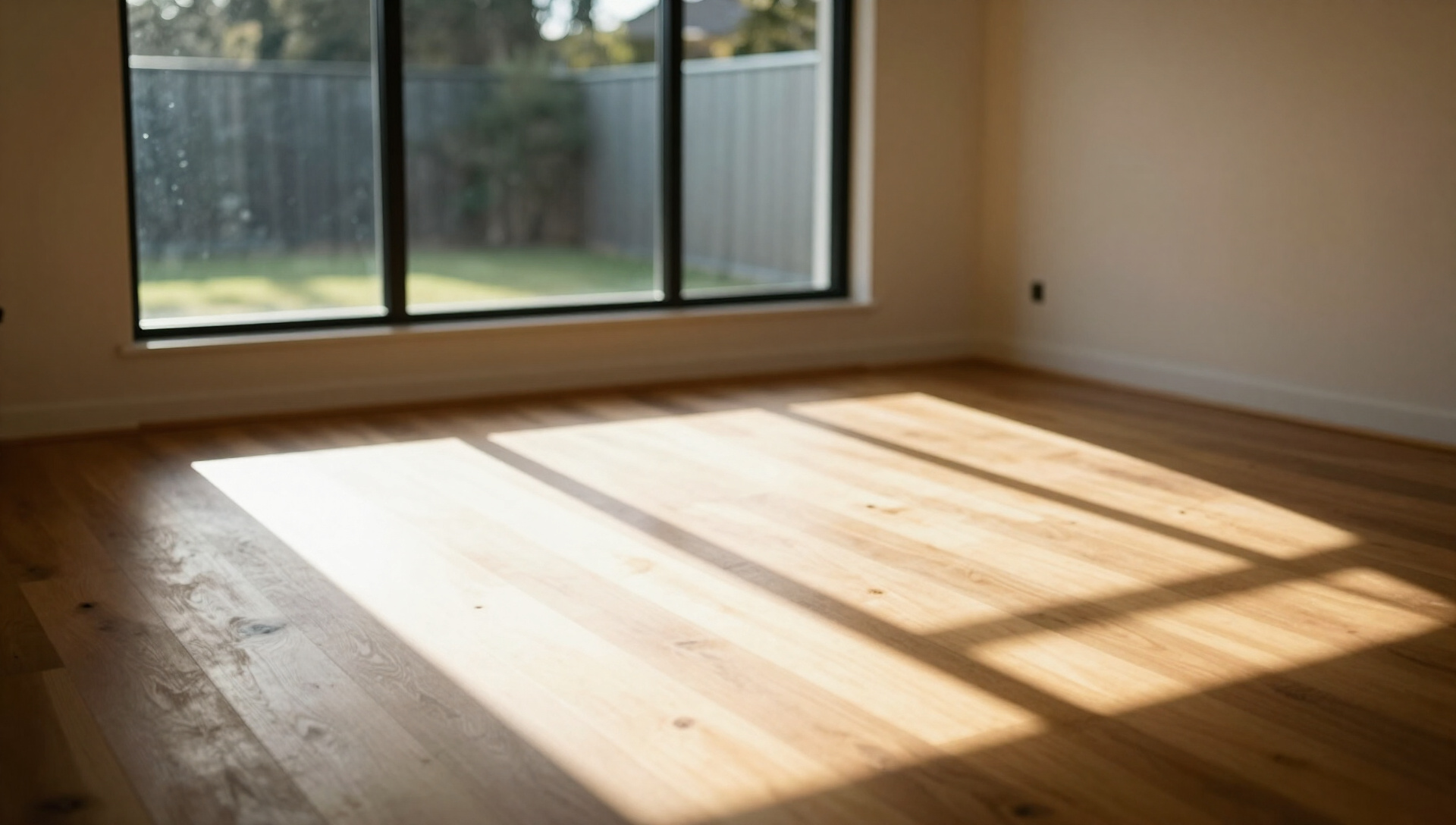
Lyndhurst experiences cold winters and hot summers, and many homes have suspended timber floors that let in cold air. Underfloor insulation addresses this by creating a thermal barrier under the floor, which improves comfort and reduces the workload on heating systems.
Insulation under the floor reduces the chill that rises through timber floorboards. Rooms feel warmer at floor level, which is especially noticeable in living areas and bedrooms above a cold subfloor.
Gaps between floorboards and around skirting let cold air in. Underfloor insulation blocks these draughts, making the home feel less exposed to outside temperatures.
By reducing heat loss through the floor, your heater runs less often to maintain the same temperature. This can lead to noticeable savings on energy bills over winter.
A well-insulated subfloor can help reduce condensation on cold surfaces under the house. This is important in Melbourne’s damp winters to prevent moisture-related issues.
Underfloor insulation also helps in summer by reducing heat gain through the floor. This contributes to a more stable indoor temperature regardless of the season.
The work is done from the subfloor, so there is no need to remove floor coverings or disrupt the inside of your home. Access is through the crawl space under the house.
We begin with an inspection of the subfloor to check access, joist spacing and the condition of existing materials. This determines the right product and R-value for your home.
We assess the crawl space height, joist layout and any obstacles like pipes or wiring. Adequate access is needed to fit batts or foil between joists safely.
We recommend bulk insulation batts for most Lyndhurst homes, typically glasswool or polyester with an R-value between R1.5 and R2.5. Reflective foil is an option where space is limited or moisture is a concern.
Batts are cut to fit snugly between the floor joists and held in place with friction or staples. Foil is stapled under the joists with an air gap. We ensure full coverage with no gaps or compression.
We remove any offcuts and debris from the subfloor. A final inspection confirms the insulation is correctly fitted and there are no exposed gaps.
Lyndhurst has many homes with suspended timber floors on stumps and bearers, which are prone to cold floors and draughts. Underfloor insulation is a practical solution to improve thermal comfort in these properties. The suburb’s newer estates also include homes where subfloor access is straightforward, making installation efficient. Melbourne’s climate means cold winters and hot summers, so insulating under the floor helps maintain a more consistent indoor temperature and reduces energy use.
Stop cold floors and draughts with underfloor insulation fitted under suspended floors in Lyndhurst.
Homeowners in Lyndhurst often ask about access, cost factors and whether their home is suitable. Here are the most common questions we answer.
Underfloor insulation in Lyndhurst is installed between the floor joists from the subfloor under suspended timber floors. This blocks cold air rising through gaps in the floorboards, which is a common issue in homes with stumps and bearers. The result is warmer floors, fewer draughts and lower heating costs during Melbourne’s cold winters.
For Lyndhurst homes, we typically use bulk insulation batts made from glasswool or polyester, with R-values between R1.5 and R2.5. These materials trap still air to provide thermal resistance. Reflective foil is another option, particularly where space is limited or moisture needs to be managed. The choice depends on the subfloor conditions and the homeowner’s priorities.
The installation process starts with a subfloor inspection to check access and joist spacing. We then fit the insulation snugly between the joists, ensuring full coverage with no gaps. The work is done from the crawl space, so there is no disruption to the inside of the home. This makes underfloor insulation a practical upgrade for improving comfort and energy efficiency in Lyndhurst.
Call Expert Insulation Melbourne on 0399695249 or email info@expertinsulationmelbourne. com. au to discuss underfloor insulation for your Lyndhurst home.